
Lower Snake River Compensation Plan, US Fish and Wildlife Service, Boise, Idaho
What is the name of your hatchery, how did it get that name, and how long has it been in operation?
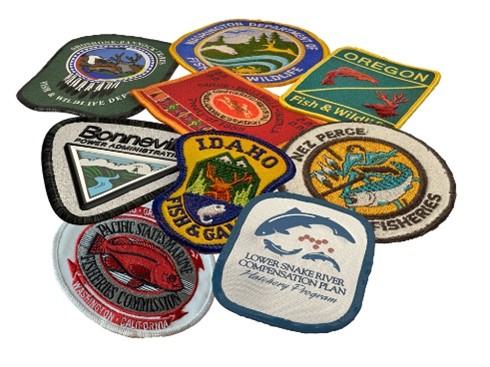
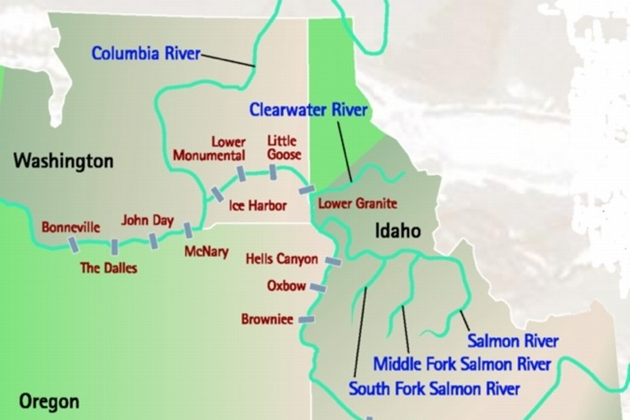
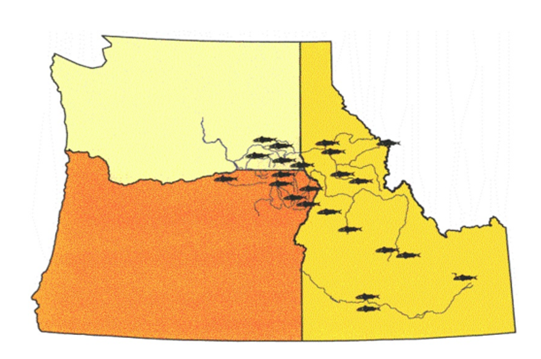
The Lower Snake River Compensation Plan (LSRCP) program headquarters are based in Boise, Idaho. The LSRCP has 26 facilities across Idaho, Oregon, and Washington that are operated by the US Fish and Wildlife Service (USFWS), Confederated Tribes of the Umatilla Indian Reservation (CTUIR), Shoshone-Bannock Tribes (SBT), Nez Perce Tribe (NPT), Idaho Department of Fish and Game (IDFG), Washington Department of Fish and Wildlife (WDFW) and Oregon Department of Fish and Wildlife (ODFW). The program has over 350 fisheries employees across these agencies.
The program has been in operation since 1982 after being authorized by Congress in 1976 to mitigate for losses of salmon and steelhead from the construction of the four Lower Snake River Dams: Ice Harbor, Lower Monumental, Little Goose, and Lower Granite.
What fish do you raise, approximately how many do you raise, and what are they used for?
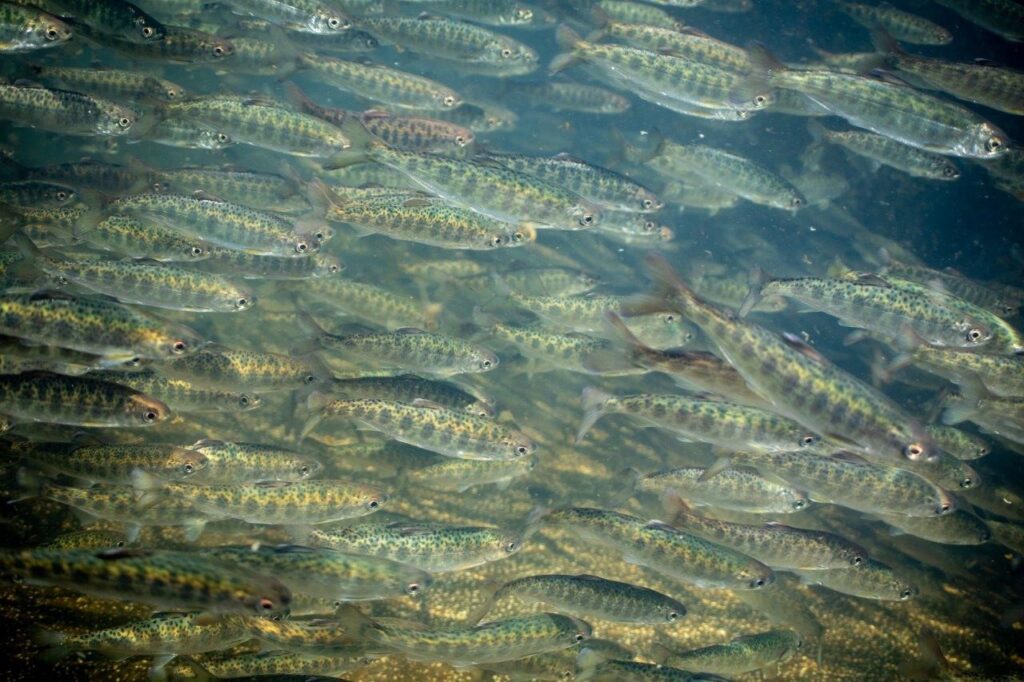
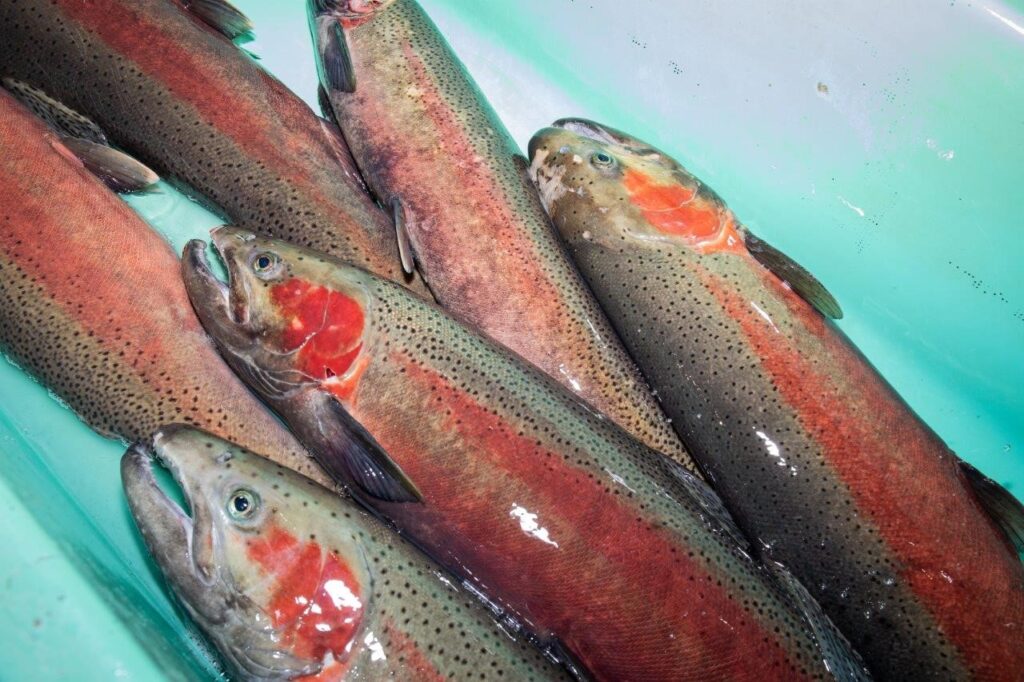
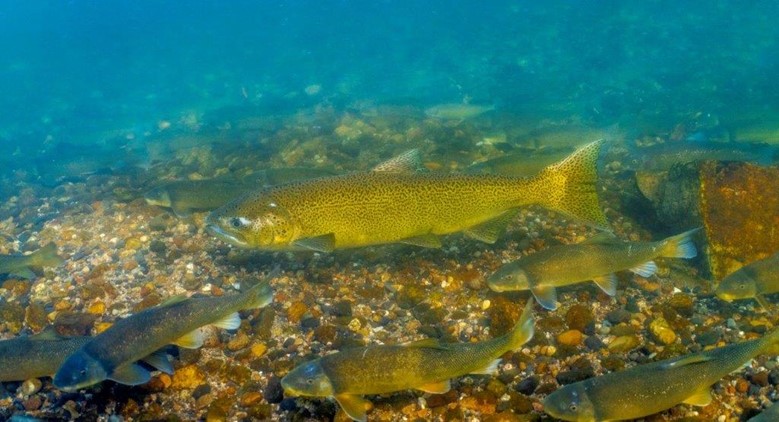
The program raises 21 million salmon, steelhead and rainbow trout. The fish are released at various locations across the Snake River basin. The goal of the program is to return 91,500 Fall Chinook, 293,500 spring /summer chinook and 165,300 steelhead to fisheries as well as contributing to recovery of threatened and endangered stocks. In addition, the program releases 86,000 pounds of catchable rainbow trout to mitigate for lost fishing opportunities due to inundation of the riverine system of the Snake River. Smolt releases are as follows:
| Fall Chinook | 4,460,000 |
| Steelhead | 5,553,000 |
| Spring/Summer Chinook | 10,864,000 |
| Rainbow Trout | 126,750 |
How big is your hatchery?
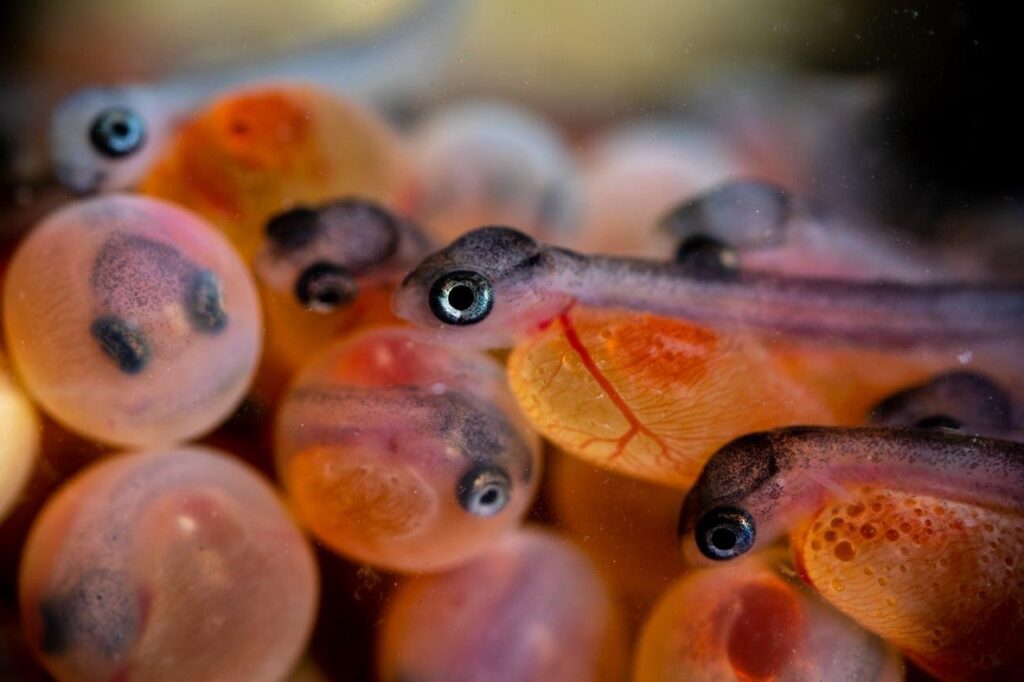
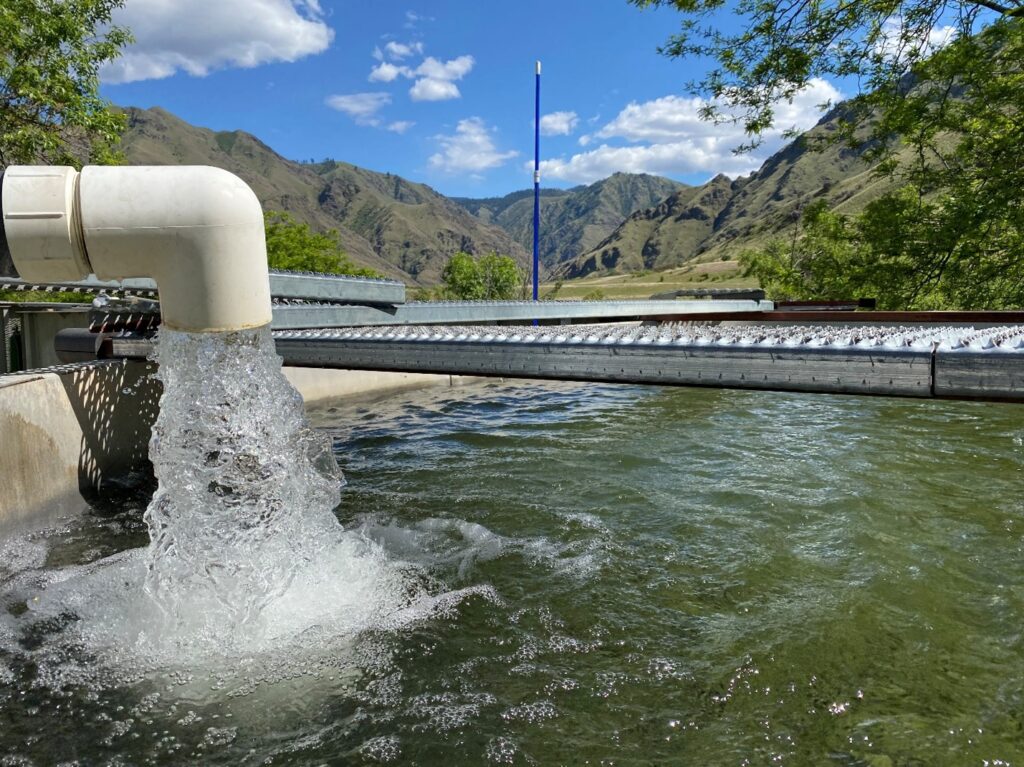
NPT/USFWS Dworshak National Fish Hatchery and IDFG Clearwater Fish Hatchery are the largest hatcheries at almost 500,000 pounds each annually. By numbers, including egg production, WDFW Lyons Ferry Fish Hatchery is the largest salmon and steelhead producer with over 5 million Fall Chinook, spring Chinook, steelhead, and rainbow trout. The Shoshone-Bannock Tribe Crystal Springs Fish Hatchery program is the smallest hatchery and reared and released it’s first 50,000 Chinook in 2025. IDFG Sawtooth Fish Hatchery is the highest elevation at 6500 feet above sea level and over 900 miles from the Pacific Ocean. That’s a long journey for the Chinook salmon and steelhead that make the spawning trip.
What is the biggest challenge facing your hatchery today? What Challenges do you see in the future?
The Lower Snake River Compensation Plan facilities were built in the early 1980’s and into the very early 1990’s. They were well built by the Army Corps of Engineers, but 40+ years of continuous service are taking a toll. Deferred maintenance needs across the program have surpassed $180M. Additionally, the program has never achieved the smolt to adult survival rates anticipated at inception. To meet adult mitigation goals, additional infrastructure is needed to produce more integrated hatchery smolts. The program currently estimates an investment need of $248M to achieve the original salmon and steelhead goals.
In the future, climate change continues to be a significant challenge for the program. On a local level, that means finding new water sources or water chilling capacity. On a macro level, success of salmon and steelhead rely on cold water releases from dams, timing of smolt releases, monitoring adult thiamine levels, and transport of adults around thermal barriers. The program uses adaptive management strategies, but the pace of environmental and biological changes to the system has been exceptional. The future program will require continual monitoring, evaluation, and adaptation to succeed.
Innovation is a part of how any operation deals with emerging challenges. How does innovation happen at your facility and how does it benefit your operation and others?
We recently (2023) built a new Chinook salmon adult holding facility at the McCall Fish Hatchery to address lethal water temperatures (70 F +) in the South Fork of the Salmon River. By trapping the adults in the South Fork and transporting to the cooler tailrace waters of Payette Lake, adult survival and egg survival have improved to nearly 90%. Prior to construction, the hatchery had built a model of snowpack and weather forecasts to predict lethal temps and would transport to an alternative hatchery as needed. Now with the new infrastructure, adults are transported every year into the cooler water supply.
We are currently undergoing climate modeling efforts for the most vulnerable facilities to identify where resources should be directed in the next decades. Hopefully planning and adapting can minimize risk to salmon and steelhead recovery efforts and continue to support meaningful fisheries in the Snake River.
Any recent successes, news, trivia, or facts you can share?
The program is working closely with the Nez Perce Tribe to build a Fall Chinook acclimation facility on the Salmon River near Russel Bar downstream of Riggins, Idaho. The Fall Chinook program has been a bright spot in otherwise declining salmon and steelhead runs over the past decade. Adult numbers have been steadily increasing and a robust Tribal and sport fishery has ensued. Moving hatchery Fall Chinook releases to the Salmon river from the Snake River in Hells Canyon will be a step closer towards recovery of this species. After years of hatchery supplementation, wild Fall Chinook populations in the Snake River stretch appear poised to maintain and grow on their own. The program has been a success story of how hatchery releases can be used to bring back species from the brink of extinction.
Are you and/or the staff at your facility active in AFS?
Of course, I’m a lifetime member!
In one sentence, why is fish culture important?
Providing Fish for the Future!
How can people reach you?
Address:
Lower Snake River Compensation Plan
1387 S Vinnell Way
Boise, ID 83709
Phone: (208) 296-8759
Email: Nathan_Wiese@fws.gov, Program Coordinator
Website: https://www.fws.gov/office/lower-snake-river-compensation-plan